
As a high school drama club nerd, there was no show with more buzz than Wicked. When previews were announced for Chicago in April 2005, we already had every line memorized from the Broadway cast recording. After a few bake sales and some pleading with parents, we scraped together enough for opening night tickets. The first act was electric, building to Stephanie J. Block’s jaw-dropping “Defying Gravity.” When she hit the final note, we were on our feet screaming. Then we rushed into the lobby to replay every moment and speculate about Act II.
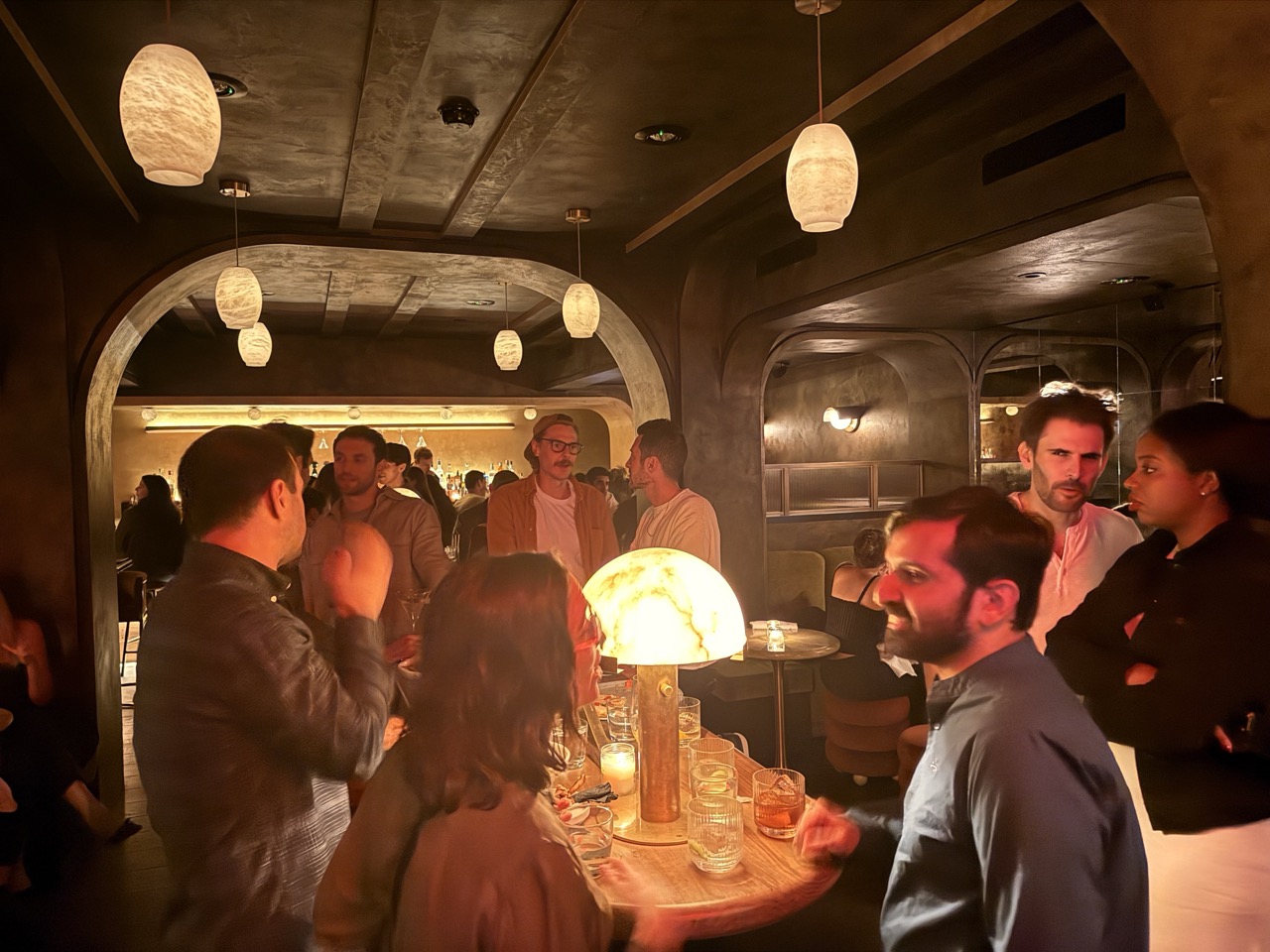
The intermission was not dead air. It was fifteen fervent minutes of conversation. We took the solitary act of watching and made it social, processing what we just saw. The pause did not interrupt the story. Instead, it helped me integrate the story into my own.
Solo, then social.
That rhythm matters. Live performance gets it. Plays, musicals, opera, and dance build in intermissions not as logistical necessities but as part of the design. Playwrights and choreographers use it as a tool to shape the emotional arc and give the audience space to metabolize what they have just felt. You stand, stretch, grab a drink, compare reactions. The second act lands differently because of that exchange.
Film used to participate in this tradition. Now it largely does not. I loved the recent Wicked films, but the one-year “intermission” hindered the emotional story arc rather than helping it. The second installment had the difficult task of recreating energy that had long since dissipated. The rhythm of solo, then social is essentially nonexistent in the movie experience today. The post-show social media chatter is no substitute.
Instead, films are designed for unbroken immersion. This shift mirrors a broader trend to optimize for attention, often at the cost of the social. On one end, movies stretch longer than ever, trying to hold your attention without interruption. The average movie in the 1930s was 81 minutes long; in 2022, it was 107. Streaming platforms autoplay the next episode before the credits finish rolling.
On the other end, algorithmic feeds on Instagram and TikTok compete to hold your focus on an unbroken chain of short-form video. Instead of designing a pause into the experience, we now engineer around the absence of one. Small acts of resistance are starting to bubble up, like the app RunPee that tells you the least disruptive moment to step out when you’ve got to go.
All this intermission talk is not nostalgia for a bygone era. Intermissions are alive and well in contemporary theater, dance, and opera. They continue to function as intentional beats in the narrative. They remind us that audiences are not just receivers of content but participants in a shared event. The conversation is where so much meaning is made.
A few recent films with intermissions, like the Brutalist and RRR, give me hope that we are entering a pause renaissance. The lobby will once again play a supporting role in the movie experience.